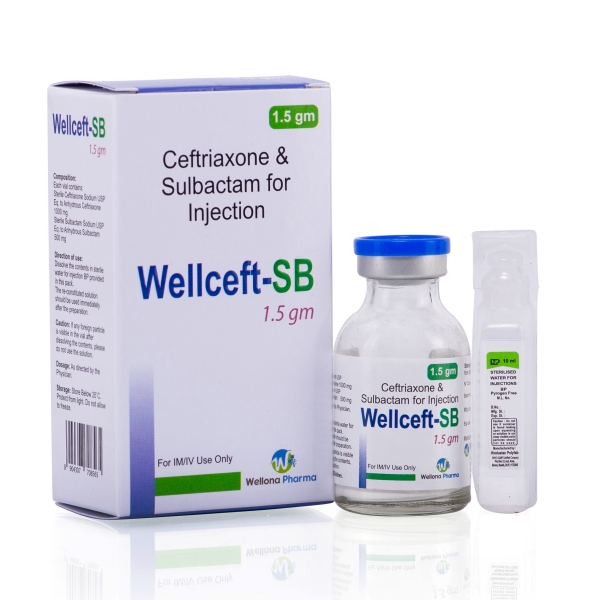
home consumer_ceftriaxone_rocephin Privacy & Trust Info What Is Side Effects Drug Interactions Warning and Precautions Brand Name: Rocephin Generic Name: Ceftriaxone Drug Class: Cephalosporins, 3rd Generation WHAT IS CEFTRIAXONE AND HOW DOES IT WORK? Ceftriaxone is used to treat a wide variety of bacterial infections. Ceftriaxone belongs to a class of drugs known as cephalosporin antibiotics. It works by stopping the growth of bacteria . Ceftriaxone is not recommended for use in newborns with high blood bilirubin levels and premature infants due to increased risk of side effects. Ask the doctor or pharmacist for details. Ceftriaxone may also be used before dental procedures in people with certain heart conditions (such as artificial heart valves) to help prevent serious infection of the heart (bacterial endocarditis ). Ceftriaxone is available under the following different brand names: Rocephin . Dosages of Ceftriaxone: Adult and Pediatric Dosage Forms and Strengths Injectable solution 1 g/50 mL 2 g/50mL Powder for injection 250 mg 500 mg 1 g 2 g 10 g (adult only) 100 g (adult only) Dosage Considerations – Should be Given as Follows: Intra- abdominal Infections Complicated, mild-to-moderate, community acquired : 1-2 g/day intravenously (IV) in single daily dose or divided every 12 hours for 4-7 days, in combination with metronidazole Acute Bacterial Otitis Media Adult: 50 mg/kg intramuscularly (IM) once Persistent or treatment failures: 50 mg/kg intravenously/intramuscularly (IV/IM) for 3 days Pediatric: 50 mg/kg IM in single dose; not to exceed 1 g Pelvic Inflammatory Disease 250 mg intramuscularly (IM) as single dose with doxycycline , with or without metonidazole for 14 days Septic / toxic Shock (Off-label) 2 g intravenously (IV) once daily; with clindamycin for toxic shock Skin and Soft Necrotizing Infection (Off-label) Due to Aeromonas hydrophilia : 1-2 g intravenously (IV) once/day in combination with doxycycline Due to Vibrio vulnificus ; 1 g IV once/day in combination with doxycycline Continue treatment until further debridement not necessary, clinical improvement observed, and patient is afebrile for 48-72 hours Children over 12 years: 1-2 g/day intravenously/intramuscularly (IV/IM) in single daily dose or divided every 12 hours for 7-14 days, depending on type and severity of infection Severe Acute Bacterial Rhinosinusitis (Off-label) Infection requiring hospitalization: 1-2 g intravenously (IV) every 12-24 hours for 5-7 days Prosthetic Joint Infection 2 g intravenously (IV) every 24 hours for 2-6 weeks; continue treatment until clinical improvement observed and patient is afebrile for 48-72 hours Meningitis Adult: 2 g intravenously (IV) every 12 hours for 7-14 days Pediatric: 100 mg/kg/day intravenously/intramuscularly (IV/IM) in single daily dose or divided every 12 hours for 7-14 days; not to exceed 4 g/day Serious Infections Other Than Meningitis, Pediatric 50-75 mg/kg/day intravenously/intramuscularly (IV/IM) divided every 12 hours for 7-14 days Acute Uncomplicated Pyelonephritis 1-2 g intravenously (IV) once/day Surgical Prophylaxis Prophylaxis of surgical infection 1 g intravenously (IV) 0.5-2 hours before procedure

.jpeg)
.jpg)
.jpg)
.jpeg)